
The reply you keep getting is a purchase signal
Most travel newsletter writers get replies that go something like: 'I loved this issue — we are actually planning a trip to Lisbon next spring. Do you have any advice on where to stay?' You write back a thoughtful paragraph. They say thank you. Nothing changes.
That reply is a purchase signal. The subscriber trusts you enough to ask for personalised help. A paid planning call gives them a way to pay for a proper session — and gives you income that does not depend on list size, advertiser demand, or open rates. The newsletter-writer workflow gives that reply a clear next step.

Choose a small revenue portfolio — consulting first
Start with one primary and one secondary model. Too many commercial blocks make a newsletter feel like a catalog. Lead with the offer that has the highest value and lowest friction for your most engaged readers.
- Paid planning calls: your most engaged subscribers book a focused session — available from your first trip page
- Sponsored placements: predictable income for aligned brand stories once you have clear audience data
- Affiliate recommendations: destination-specific links via your trip page, handled without managing separate accounts
- Paid subscriptions: deeper reporting, tested itineraries, or community access for recurring revenue
- Digital products: maps, packing lists, and planning templates for self-planners
Use a destination page to keep the issue clean
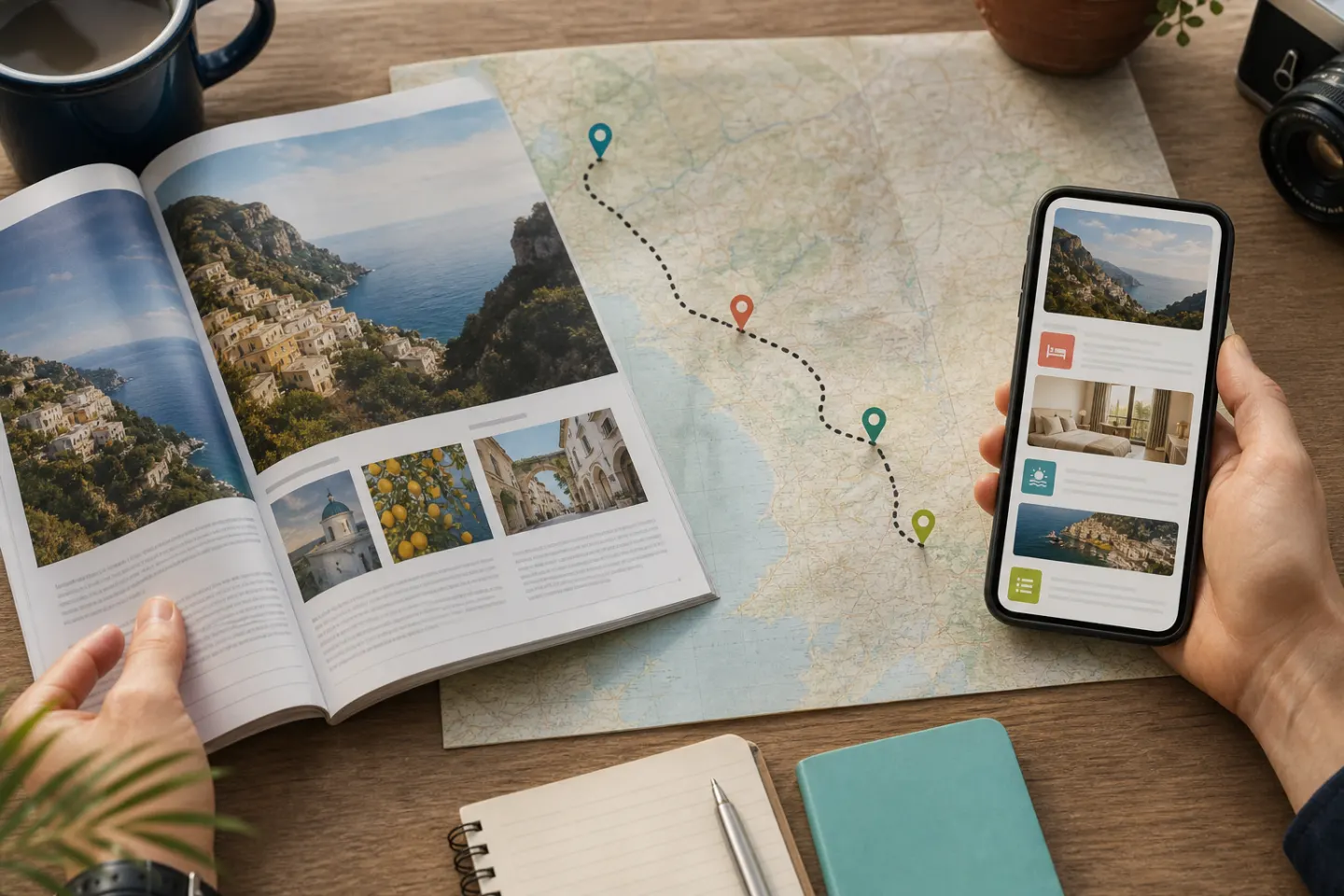
Instead of stacking every hotel, tour, and map link inside the email, send interested readers to one maintained trip page. The issue tells the destination story; the page holds the practical route, curated recommendations, and the planning call booking button.
This also means older issues stay useful. When prices or recommendations change, update the page — not the archive. The newsletter-writer workflow keeps the editorial issue separate from the maintained planning destination.
Create sponsor inventory without selling the whole issue
Define a small number of placements, explain audience fit, and keep editorial control. A sponsor should know what it is buying; readers should know what is paid.
Build a media kit from real subscriber count, recent open and click patterns, audience geography, and examples. Avoid promising sales you cannot control.
Design a free-to-paid path
Paid travel newsletters need a specific reason to subscribe beyond 'more content.' Offer recurring value such as tested itineraries, timely deal analysis, local reporting, office hours, or a useful archive.
Let free readers experience the editorial standard. The planning call is a natural next step for readers who want something personalised beyond what the issue covers.
Measure reader value and commercial pressure
Track unsubscribes and replies alongside clicks, planning call bookings, and revenue. A high-click sponsor placement followed by elevated churn may not be a good long-term result. Compare commercial issues with normal issues and ask readers what they found useful.
Keep a disclosure policy, sponsorship criteria, and correction process. An owned list is valuable because of trust and permission, not because it is a captive audience.
Frequently asked questions
Can I earn from planning calls with a small newsletter list?+
Yes. Planning call income depends on trust and specificity, not list size. A newsletter with 300 engaged subscribers who ask destination questions after every issue can start earning from calls immediately.
How many subscribers do I need to monetize a travel newsletter?+
There is no universal minimum. Planning calls and digital products work at any list size. Sponsorships may require a minimum audience, depending on the advertiser.
Can newsletters include affiliate links?+
Yes, through your trip page. Link the issue to a destination trip page where affiliate recommendations are organized alongside your planning call button. This keeps the email clean and the monetization layer maintainable.
What can a paid travel newsletter offer?+
Useful paid offers include a planning call booking button on your trip page, detailed itineraries, timely destination intelligence, deal analysis, member Q&A, downloadable planning tools, and a searchable specialist archive.
This article provides general educational information, not financial, legal, tax, or travel-agent advice. Tripixo does not guarantee earnings, traffic, bookings, or conversion results.