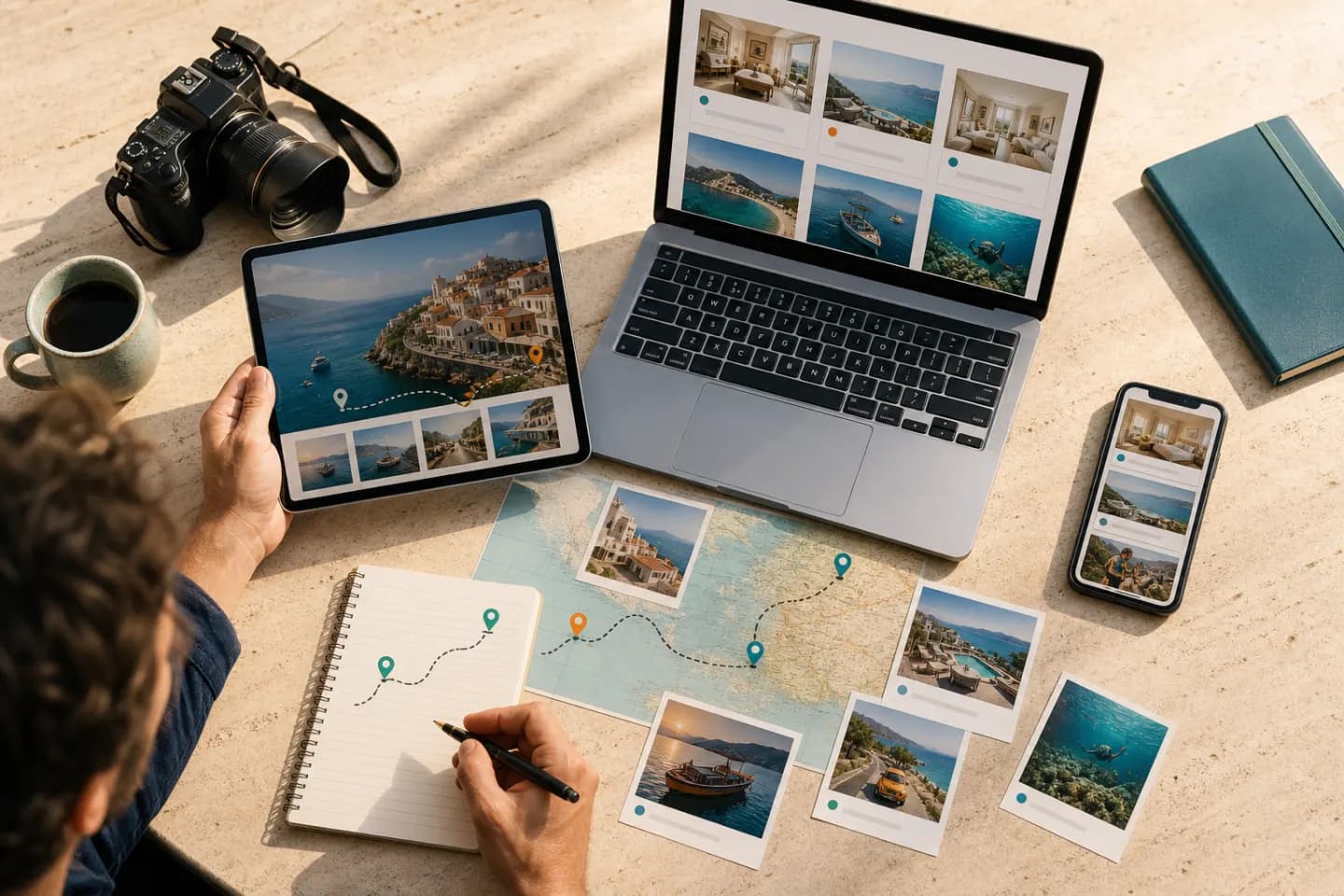
Your comments section is a waiting room
Scroll through the comments on your best destination video. How many are trip-planning questions you answered for free? Which hostel should I book? Is your route doable in 7 days? How did you get from the airport? Those are paid-consultant questions. You answered them without a booking button.
A paid planning call puts a rate on that conversation. The viewer who would have left a comment instead books a focused 30-minute session. You give them personalised advice for their trip; they pay for it directly. No minimum subscriber count required — the Tripixo workflow for YouTube travel creators shows the same handoff in context.
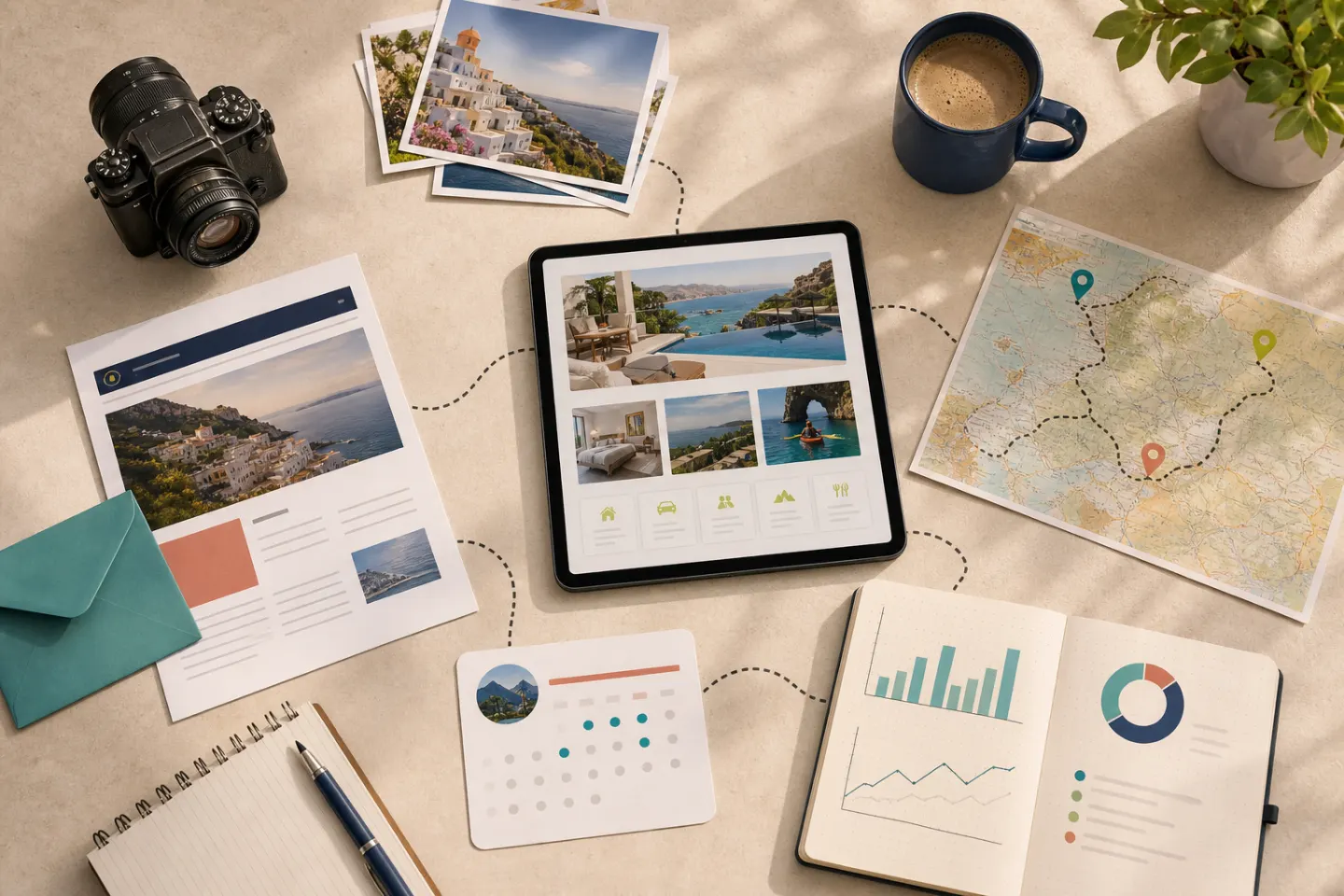
Link each video to a maintained trip page
Every destination video should point to one stable trip page — not a link dump in the description, but a page that matches the video's route with curated stays, activities, a planning call button, and practical notes.
When a hotel changes or a tour link breaks, update the page, not the video. Viewers who find the video today or in two years land on something current.
- Trip page: the route, stays, activities, and planning call booking
- Specific resources mentioned in the video
- A concise affiliate disclosure
- Newsletter or save option
- Chapters, corrections, and update notes
Use platform revenue as one layer
YouTube ad revenue, memberships, and Super Thanks are available to eligible creators and worth enabling. Treat them as one layer in the income mix, not the ceiling.
Travel videos have a long planning life — a route guide may keep earning search traffic for years. The description, the trip page, and the planning call button compound over that same lifespan.
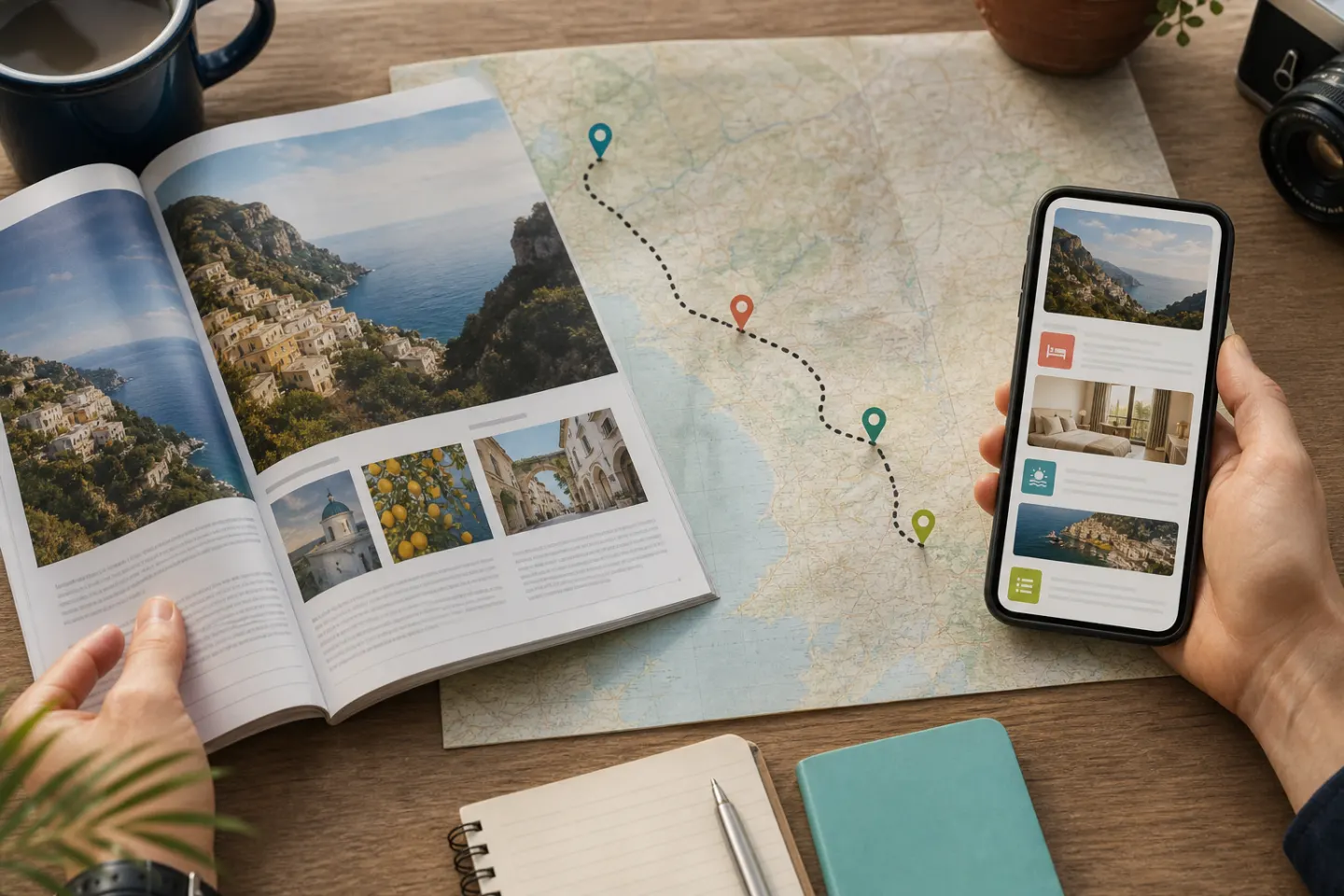
Package what did not fit in the edit
The research behind a video can support a printable itinerary, timing templates, accessibility notes, and budget alternatives — detail that could not fit a 15-minute edit. Package that as a paid guide or include it in the planning call.
For example, a public video explains the route and the highlight moments. A planning call covers the personalised questions: their dates, budget, travel pace, and the decisions specific to their group.
Use sponsorships without confusing the recommendation
Clearly distinguish the sponsor, your independent editorial choices, and any affiliate links. Do not let a paid segment imply that every nearby recommendation is sponsored or personally tested.
A consistent policy page can explain how you choose partners, but the material relationship still needs a clear disclosure in the video and relevant description area.
Measure videos by planning value
Views and watch time matter, but they do not tell the full business story. Track trip-page clicks, planning call bookings, newsletter sign-ups, guide sales, and outbound clicks by video. Compare evergreen search videos separately from timely entertainment content.
Update pinned comments and descriptions when a linked resource changes. An old video with current supporting information can remain a trusted entry point.
Frequently asked questions
Can I earn from planning calls without 10,000 subscribers?+
Yes. Planning call income depends on the trust and expertise your audience has built with you, not on subscriber counts. A creator with 1,000 engaged viewers asking route questions in the comments can start offering paid calls immediately.
How can a travel YouTuber earn beyond ads?+
Paid planning calls, disclosed affiliate recommendations through a maintained trip page, digital guides, memberships, newsletters, licensing, and workshops can all generate income independent of platform ad revenue.
Where should planning call booking go in a YouTube video?+
Link to your trip page from the description and mention the call option when you cover the destination in depth. The call offer should sit on the trip page alongside your curated recommendations.
Should old travel video descriptions be updated?+
Yes, when links, practical details, or supporting resources change. Updating the trip page the description links to is often easier than re-editing the description across many videos.
This article provides general educational information, not financial, legal, tax, or travel-agent advice. Tripixo does not guarantee earnings, traffic, bookings, or conversion results.