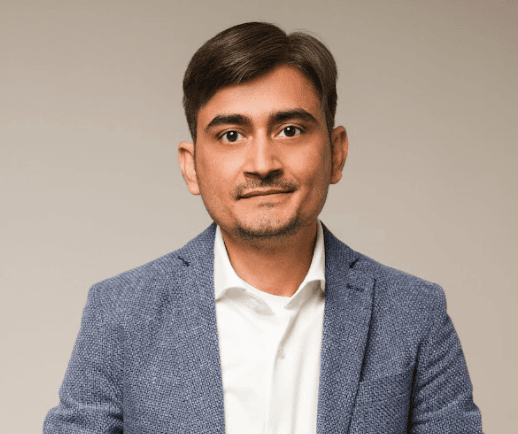
Abhinav Kumar founded Tripixo. Tripixo lets travel creators charge for the trip-planning advice they already give away free in comments and DMs.
Before Tripixo, Abhinav spent years as the on-camera face of Trivago's advertising campaigns in India. The role made him a recognized name in Indian online advertising and put him in front of a national audience. He then led product marketing at Paytm, working on performance marketing, brand building, and distribution. In short, he spent years learning how to make people trust a recommendation enough to act on it.
That background, plus years of watching how travel creators actually earn money from their audience, led him to start Tripixo. His view is simple: a model that has only read about a place cannot match the judgment of someone who has actually been there. As AI trip planners multiply, that judgment gets rarer and more valuable, and it should be priced like it.
On the Tripixo blog, Abhinav writes about the travel creator economy, why AI cannot replace real travel judgment, and how creators can turn their advice into a paid, bookable service instead of just an affiliate link.
Your DMs are full of trip-planning questions you answer for free. Here is how to turn those conversations into a paid income stream without becoming a travel agent.
Before you build a monetization strategy, you need an honest picture of what travel creators actually earn and from what. The real numbers are more nuanced than most guides admit.
A creator with 300 deeply engaged followers in a specific travel niche can earn more than one with 30,000 disengaged followers. Here is how to monetize the audience you already have.
Many travel creators hesitate to charge for advice because they think they need a license or qualification. They do not. Here is the clear answer and how to get started.
You do not need more followers, a better camera, or a finished website to start earning. You need a trip page, a rate, and one post. Here is the exact plan.
Travel creators hesitate to charge for advice because they worry about crossing into travel agent territory. The distinction is clearer than most people think — and knowing it removes the main barrier to consulting income.
Underpricing your planning call is a more common mistake than overpricing it. Here is how to set a rate that reflects the real value of your expertise from the first session.
Passive income for travel creators is real but often misunderstood. Here is an honest look at what earns while you sleep and what still requires your active attention.
Travel blogging income is not dead — but the model has shifted. Here is what still works, what has changed, and what the most adaptable creators are doing differently in 2026.
Compare hotel affiliate programs through inventory, attribution, mobile handoff, cancellation treatment, and reader trust instead of chasing headline rates.
You do not need an audience to get paid for travel expertise. You need a creator willing to vouch for you, and a defined way to help their followers plan.
Your followers asking about a Portugal city break or a long-haul honeymoon are giving you the same signal creators everywhere get. Here is how UK creators are turning it into income.
Every number here is traced to its original report, not copied from another blog's stats page. Here is what the data actually says about why paid travel planning calls work.
A comment or a DM asking for trip advice is a community signal with nowhere to go. Here is how travel creators turn that into a two-way relationship — and get paid for it.
Most travel creators have never actually calculated what their audience is worth in trips. Here is a simple worksheet — using your own numbers, not someone else's average.
78% of creators report burnout in 2026. Here is what the shift toward owned, algorithm-independent relationships actually looks like for travel creators.
Hotels in one tab, flights in another, activities in a third. Here is what juggling separate affiliate dashboards actually costs a travel creator, and what to look for in a consolidated approach.
Charging for advice raises a question almost every travel creator hits eventually: do I need to formalize this as a business first? Here is what actually matters, and what can wait.
A waiver will not stop a determined lawsuit, but it does something more useful day to day: it sets expectations clearly enough that most disputes never start.
Burnout among travel creators is usually a business-model problem wearing a mental-health disguise. Rebalancing income, not posting less and hoping, is what actually helps.
India's creator economy is growing faster than almost anywhere else. Here is how paid travel planning calls fit Indian platforms, pricing habits, and destination demand.
A brand media kit answers why should I pay you to post. A planning-client media kit needs to answer a completely different question: why should I pay you to help me.
TikTok hands travel creators something more valuable than Creator Fund payouts: a comment section full of pre-qualified questions from people already planning a trip.
Link hubs, storefronts, and travel consultation platforms solve different problems. Compare them by planning intent, context, checkout, maintenance, and the kind of offer you actually want to sell.
There is no defensible universal error rate for AI travel itineraries. The practical lesson is clearer: generic output needs creator-owned context, current verification, and a human decision before it reaches a traveler.
Paid consultations do not need to replace ads or affiliate revenue. They can be a focused service layer for readers who want help adapting the information in your archive to a real trip.